
It’s the time of year that lends itself to rosé wine and minimal cooking. I spent a good portion of an early evening over the weekend tasting and making notes about the wines I have selected for a virtual rosé tasting I’m hosting in two weeks. Plus, temperatures have been soaring, so if it hasn’t spent at least some time in refrigeration, I don’t want to drink it.
Rosé has had a tumultuous time in the wine world as well as my personal wine life (see: White Zinfandel and my own White Merlot experiences), but the last few years have been astronomical as far as rosé options and availability.
Rosé is both adored and derided for the same things – it’s served chilled (so flavors can appear muted), you can make it as a by-product of other wine making (Saignée rosés happen when you bleed off some of the juice very soon after crushing), and it comes in a dazzling array of colors from palest shell to deep, racy magenta (pink is so *girly*).
Some rosés that I find particularly interesting:

Weißherbst – a German rosé made from a single-varietal and minimum 2nd highest tier of grapes (Qualitätswein). As I mentioned in my intro, after Rieslings, Spätburgunder Weißherbst (rosé of Pinot Noir) was my greatest discovery our first stretch of living in Germany. The minerality that shines so readily in German white wines acts as a structure upon which the very delicate berry flavors of a rosé can rest. As with all German wines in the US you may find more Halbtrocken (half-dry) than fully dry samples. Many of these are very pale pink bordering on salmon.
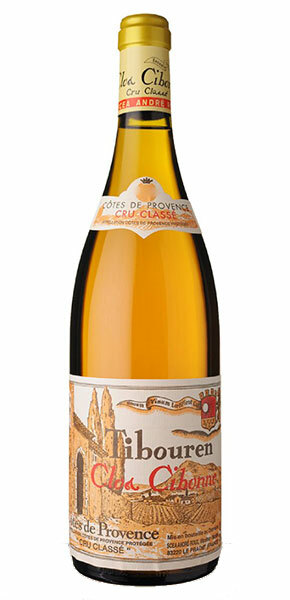
Tibouren – contrary to the airy rosés considered typical of Provence, rosés made from Tibouren have a deeper sense of aromatics such as earth, herbs and berries. It’s known to be an uneven producer, so it is not often the focus of a blend, but when you can find one, I highly recommend having a taste. The only “aged” rosés I’ve tried have been Tibouren. These wines tend to be rose-gold in color.
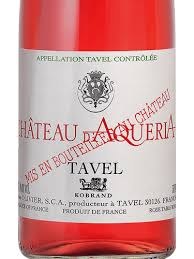
Tavel – Tavel is an AOC (Appellation d’Origine Contrôlée or protected wine region) in the southern Rhône valley of France. This AOC produces only rosé (meaning that white or red wines produced here cannot use the name Tavel). Like most Rhône wines, Tavel is almost always a blend, and it can be a surprising number of grapes! Plus, much like its neighbor Châteauneuf-du-Pape, both red and white grapes are used in the blend, but they are crushed together. Tavels tend to have a much deeper coloration, almost watermelon red, and a stronger flavor profile, so they work well for those looking for something between a chilled red and a rosé.
There are so many more than these few listed above! Look for other great options from California, Oregon or the Loire Valley in France, just to name a few other go-tos.

 Wine Nerd (in progress)